
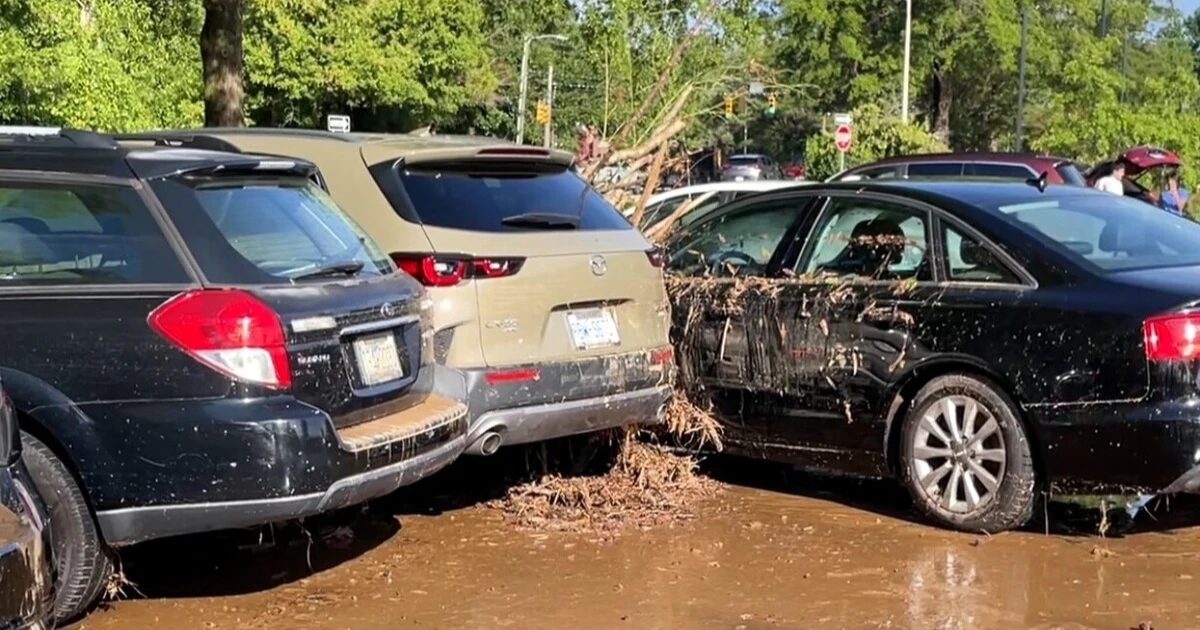
How to spot accident and flood damage on a used car in Lahore
Quick answer: The two things that quietly ruin a used car are accident and flood damage. You can catch obvious signs in about ten minutes. Check panel gaps, paint match, the boot floor, and the smell inside. Anything deeper needs a proper inspection with a paint gauge and an underbody look. That is exactly what Carbid's 135-point inspection is for.
The short version:
Structural repair matters far more than a repainted panel.
Ten-minute checks: panel gaps, paint match, boot floor, bolts, smell.
A hidden repair or a flood car can only be caught with equipment.
A damp, musty smell is the number one flood warning sign.
On Carbid, a 135-point inspection is done before the car is listed.
Two problems can turn a good-looking used car into a money pit. One is accident damage that went into the structure. The other is flood damage from a Lahore monsoon. Neither shows up in the photos. Both are common in the local market. The good news is that a little care catches most of it. This guide shows what you can check yourself and what you cannot.
Why does structural repair matter more than body work from Accident and Flood Damage?
Because paint is mostly cosmetic, but the structure is what keeps you safe. A scuffed bumper or a repainted door is kinda normal on an older car. It should not be an excuse to just walk away. What you actually need to care about is what’s underneath: the frame and the key points. If a car had a hard impact, the chassis rails or the pillars may have been yanked out of alignment and then welded back. And that kind of vehicle will never sit right, or fold the way the factory planned. So don’t judge the face, judge the bones.
What can you check yourself in ten minutes?
A lot, if you know where to aim your eyes. Do these small checks before you get too excited about any car.
Panel gaps. Roll your gaze along the gaps between the bonnet, doors and boot. They should be consistent, pretty even. A gap that suddenly looks wider on one side usually points to a repair.
Paint match. Stand in daylight and look down each panel. If one area has a slightly different shade, or a different texture, that’s a clue it’s been repainted. Then ask the obvious question: why.
The boot floor. Lift the spare wheel and check underneath. Look for fresh welds, wrinkled metal, or paint that doesn’t quite match. Those are big red flags.
Bolt heads. Open the bonnet and check the bolts around the fenders and the bonnet hinges. If you see scratch marks, or if the bolts are painted over, it often means a panel was taken off and put back again.
The smell. Sit inside with the doors shut. A damp, musty smell is the classic sign the car has been through water.
If all of that looks clean, the car probably had a decent life. But a quick eye check has limits too, and that’s where the next part comes in.
What can you not check without equipment?
A skilled repair, and the full story of a flood. This is the honest limit of a ten-minute look. A good body shop can hide an accident so well that the panels line up and the paint matches. Only a paint depth gauge reveals the filler underneath. Only a proper underbody inspection shows a straightened rail. The same is true of flood damage. The obvious signs fade, but the corrosion in the wiring keeps spreading for years. That is why a report beats a glance.
Flood damage: what a Lahore monsoon actually does
A flooded car rots from the inside, slowly. Lahore floods fast in monsoon. Cars get caught on low roads and in basement parking. Water gets into the carpets, the wiring looms, and the control units. The car dries out and looks fine. Then, months later, the faults begin. Windows stop working. Warning lights flicker. The gearbox behaves oddly. Each fault is small. Together, they never end. A flood car is a car that fails you one wire at a time.
How do you find a flood car before it finds you?
You look and smell in the places water hides. Sellers clean the obvious areas. They forget the corners. Check these.
Lift the carpet edges and feel for dampness or a waterline.
Look inside the seat belt wells, right down at the bottom.
Check under the seats and in the spare wheel hole for silt or rust.
Smell the cabin, then smell the boot. Air freshener over damp is a warning, not a comfort.
Work every electrical switch. Windows, mirrors, lights, locks, all of them.
One damp corner is enough to walk away. You can also verify the car's registration and history online through the Punjab Excise MTMIS vehicle verification before you go further.
What should you do with what you find?
You use it calmly to decide or to negotiate. A minor repaint on an old car is fine. Price it in and move on. A hidden structural repair is a walk-away, almost always. A suspected flood car is a walk-away, every time. If you like the car but you are unsure, get it inspected before you pay a rupee. A written report turns a gut feeling into a fact. And a fact is something you can act on.
Why we inspect before bidding, not after
Because the whole point is to know before you commit. On a private deal, you inspect after you have half-decided, under pressure. On Carbid, it is the other way round. Every car gets a 135-point inspection before it is listed. The report is on the listing. You read it, then decide whether to bid. If you would rather have a car checked at home first, our mobile mechanic in Lahore can come to you. Either way, you see the car for what it is, not what it looks like.
A repaint versus a respray: how much paint is too much?
A small repaint is nothing to fear, but a full respray is a question. There is a real difference. A single repainted panel, after a scrape or a parking dent, is normal on any used car in Lahore. It does not change how the car drives or how safe it is. A full respray is another matter. It often hides something. It may cover repairs across several panels, or rust, or a colour change never noted on the papers. So count the panels. One or two repaints are fine. A whole car in fresh paint deserves a hard look and a proper inspection.
Also check that the paint under the bonnet and inside the door frames matches the outside. Factories paint these hidden areas too. A respray usually does not reach them. If the outer panels gleam but the door jambs look dull or a slightly different shade, the car has been resprayed. That is your cue to ask what was underneath, and to insist on an inspection before you go any further.
Where do accident cars come from, and which to avoid?
The riskiest cars are the ones an insurer or a buyer already gave up on. Some cars on the market are rebuilt write-offs. They were declared a total loss after a serious crash or flood, then patched up to look sellable. They can hide bent structures, airbag faults, and endless electrical gremlins. These are the cars to avoid completely, whatever the price. A tempting figure on a clean-looking car is sometimes a warning, not a bargain.
This is exactly why history matters as much as condition. Match the car to its papers. Check the registration online. And get an inspection that looks under the skin, not just over it. A rebuilt total-loss car will often pass a glance and fail a proper report. The report is what protects you from inheriting someone else's crash.
Is a repaired car ever worth buying?
Sometimes yes, if the repair was cosmetic and the price reflects it. Not every repaired car is a bad car. A bumper replaced after a light knock, or a single panel repainted, is normal wear in a busy city. If the structure is sound and the work was done well, such a car can be a smart buy at the right price. The key is knowing exactly what was repaired, and why.
The line to hold is structural. A car with a straightened chassis, welded rails, or airbag damage is a different risk entirely. Those you avoid. A clear inspection report draws that line for you. It tells you whether the repair was skin-deep or something serious. With that in hand, you can buy a lightly repaired car with confidence, or walk away from a badly damaged one.
The honest first step
Accident and flood damage are beatable. You just have to look properly and know when to bring in equipment. Do the ten-minute checks on every car. Get a real inspection on the one you like. Browse inspected cars on Carbid, where the report comes before the bid.
Call or WhatsApp us on 0306 6468980, or read our Lahore weather and car care guide for the monsoon side of this. We inspect, buy, and sell cars across Lahore and Pakistan.