
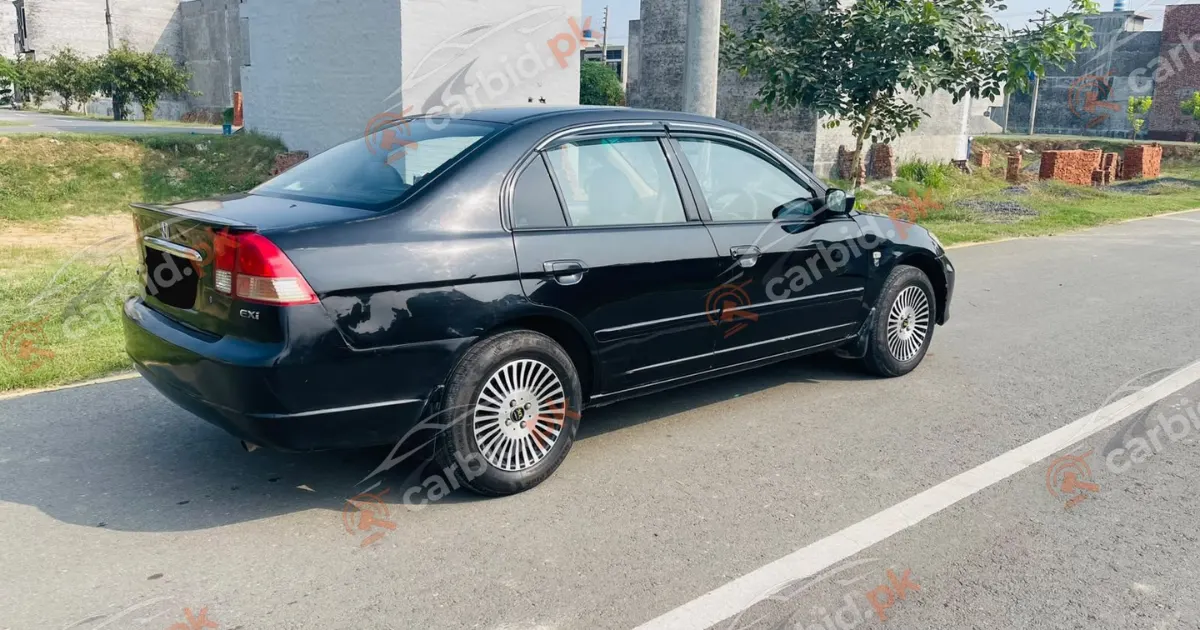
Car denting and painting in Lahore: what it costs and when it's worth it
Quick answer: Car denting and painting in Lahore covers everything from popping out a small door ding to filling, sanding, and repainting a whole panel after a knock. What you pay depends on how big the damage is, how many panels are involved, the type of paint your car has, and whether the colour is easy to match. A light scratch or a small dent is often a quick, cheap fix. A deep gouge across two panels is a proper job. The trick is knowing which one you've actually got, so you don't overpay for a dent that a paintless repair could have sorted.
Key takeaways:
Price depends on the damage size, the number of panels, and the paint type.
A small dent with the paint intact can often be fixed without any repainting.
Once the paint is cracked or chipped, the panel usually needs filling and spraying.
Colour matching is where cheap jobs go wrong, so it matters more than the price.
Fixing obvious dents before selling almost always pays for itself.
Nobody's car stays perfect in this city for long. You park neatly outside a shop on M. M. Alam Road, come back, and there's a fresh scrape down the door. Someone reverses into you in a packed market and leaves a dent and a "sorry". A stray cricket ball, a gate, a careless trolley- it adds up. The good news is most of this is very fixable, and often for less than you'd fear, if you understand what the work involves. Let's go through how denting and painting actually work, what moves the price, and when a small fix beats handing over for a full repaint.
What does car denting and painting actually involve?
It’s basically two things that often get done side by side. Denting is the metal job: sort of pushing, pulling, or adding filler to a damaged panel until it looks right again, in a proper shape. Then painting takes over: priming the repaired spot, spraying the colour so it blends with the rest of the car, then adding that clear coat layer on top and finishing off with polishing.
For a small dent where the paint is still intact, you might only need the denting side, no full overhaul. But if the paint is cracked, chipped, or scratched down to the metal, then it becomes the whole run-through, because any exposed bare steel tends to start rusting, and yes, that’s even more of an issue during a Lahore monsoon.
A solid body shop thinks of denting and painting as one completed outcome, not two separate chores stitched together.
What affects the cost of denting and painting?
A handful of things decide the bill, and the dent's size is only one of them.
Factor | Cheaper | More expensive |
|---|---|---|
Damage size | Small ding, paint intact | Deep dent, metal creased |
Panels involved | One panel | Several panels or a corner |
Paint type | Plain solid colour | Metallic, pearl, or special finish |
Colour match | Common white or silver | Rare or faded shade to blend |
Car type | Local model, easy parts | Imported, or needs a new panel |
The pattern is simple: the more the damage spreads, and the harder your exact colour is to recreate, the more you pay. A faded older paint is its own problem, because the shop has to blend the new paint into panels that have aged in the sun, or the repair will stand out as a too-fresh patch. That blending skill, more than the materials, is what you're really paying a good painter for.
Paintless dent repair or a full repaint?
Honestly, if the paint is still intact, start with paintless dent repair first, because it usually costs less and wraps up faster. They call it dry denting sometimes, and the tech works the dent out from behind the panel without filling or spraying anything. It only makes sense when the paint hasn't cracked or split, so it works great for door dings, those small hail-style dents, and mild, gentle creases. Since there’s no filler involved and no new paint, it costs less, takes less time, and you keep your car’s original factory paint, which is kinda better for resale later. But once the paint is actually broken, then paintless repair is off the table, and you’re looking at the full fill-and-spray job. So yeah, the first question you should ask at the shop is always: Is the paint still good?
Why colour matching can make or ruin the job?
Honestly, this is the part most folks don’t really clock. Getting the dent out is, kind of, the easy half; repairing the vanish so it looks factory is the real skill. Your car’s colour isn’t just that little factory code. Years of Lahore sun bake it and nudge it, so even a perfectly “correct” brand new mix can still look off next to an eight-year-old bonnet or fender. A good painter doesn’t just mix to a chart; they mix to match how the car looks now, then they blend the fresh paint into the surrounding panels so your eye doesn’t catch where the join starts. At a weak shop, they’ll just spray the panel edge to edge and “figure it out later”, which is, well, it shows. The mismatch tends to pop in daylight, and that's exactly why you check the finished job outside in the sun, before you pay, not under that dim workshop light that hides everything.
What to sort out before you hand over the car?
Spend a few minutes at drop-off; it saves loads of hassle later, like actual arguments. First, do a walk around with the shop and agree, out loud, on exactly what’s being fixed. The door, the bumper, that one scratch- you know, the specific items- so a small agreed job doesn’t quietly turn into a larger bill. Take a couple of photos on your phone before you leave too, because those little pictures settle the “that was already there” debate at pickup. Ask straight, not in a roundabout way, whether they’ll use proper metalwork or just filler, and whether the colour will be blended into the next panel or sprayed only on the damaged bit. Also get a rough time and a rough price in plain words before they start. And take out your valuables, plus remove the number plate documents from the car, the same way you would before leaving it anywhere unfamiliar. None of this is about distrust; it’s just common sense, so the car that comes back is actually the one you pictured, done the way you agreed.
Should you claim it on insurance or pay yourself?
For small damage, paying cash is often smarter than a claim. If your car is insured, a big repair after an accident is worth claiming; that's what the policy is for. But for a minor dent or a single-panel scrape, a claim can cost you more in the long run through a higher renewal or a lost no-claim benefit, and some policies carry an excess that's close to the repair cost anyway. It's worth understanding your own policy terms before you decide, and in Pakistan, motor insurance is regulated by the Securities and Exchange Commission of Pakistan, whose site explains how insurance is meant to work. For everyday dings, most owners just pay out of pocket and keep their no-claim record intact.
Does denting and painting affect resale value?
It cuts both ways, and doing it right is what matters. A car covered in dents and scrapes looks neglected and sells for less, so tidying up obvious damage before you sell almost always returns more than it costs. But a bad repair can hurt you too: a buyer who spots mismatched paint or filler assumes the car has been in a serious accident, even if it was just a parking dent. That's exactly the kind of thing a sharp buyer, or a proper used car inspection, looks for, and it's the same signal our accident and flood damage checks guide teaches buyers to read. So if you're fixing up to sell, fix it properly, or not at all. Smart cosmetic repair is part of the wider cost of running a car in Lahore, and a clean body is one of the cheapest ways to protect what your car is worth.
Buying or selling? Let Carbid read the bodywork for you.
Here's where a denting-and-painting eye really pays off: when you're buying or selling a used car. A fresh-looking panel can hide a past accident, and a bad repair can scare off a good buyer. That's exactly what our 135-point inspection is built to catch: mismatched paint, filler, panels that have been off the car, the signs of a quick scrape, and the signs of a serious hit. When you buy or sell through Carbid, the car's real condition is on the table, so nobody pays for someone else's bodywork by mistake.
Call or WhatsApp us on 0306 6468980. Carbid helps you buy, sell, and inspect cars across Lahore and the rest of Pakistan. Get the bodywork checked honestly, and you protect both your money and your car's value.